Ember Edge is an independent creative agency. For ten years we have worked with founders, CMOs, and product leads who refuse to settle for brand work that expires the moment an algorithm shifts.
We started in a borrowed kitchen in Lisbon with two laptops, a whiteboard nobody wanted, and one client who paid us in trust. Ten years later the client roster has changed, the kitchen has not.
We are here because the agency playbook had broken a little too obviously by then. Decks nobody read. Launches that spiked and died in the same week. A generation of brands with identical serif wordmarks and identical promises about disruption.
So we built something louder, slower, and more honest. We keep the teams small, the calls fewer, and the work so distinctive that you can tell ours apart in a feed without reading the caption.
They are not values on a wall. They decide which briefs we take, which hires we make, and which invoices we finally tear up.
If a competitor could ship the same work with a different logo on it, we have not finished. We push every identity, every page, every sentence until it can only be ours.
The people who pitched the work ship the work. No handoff to a junior the week the contract signs. The name in the email is the name doing the thinking.
Launch day is the middle of the project, never the end. We hold a ninety-day post-launch window on every engagement: the first round of iteration, fixes, and measurement is already paid for.
If a brief is wrong we will say it on the first call, not the fourth. Friends do not let friends ship tagline drafts generated on a Tuesday morning at 11.
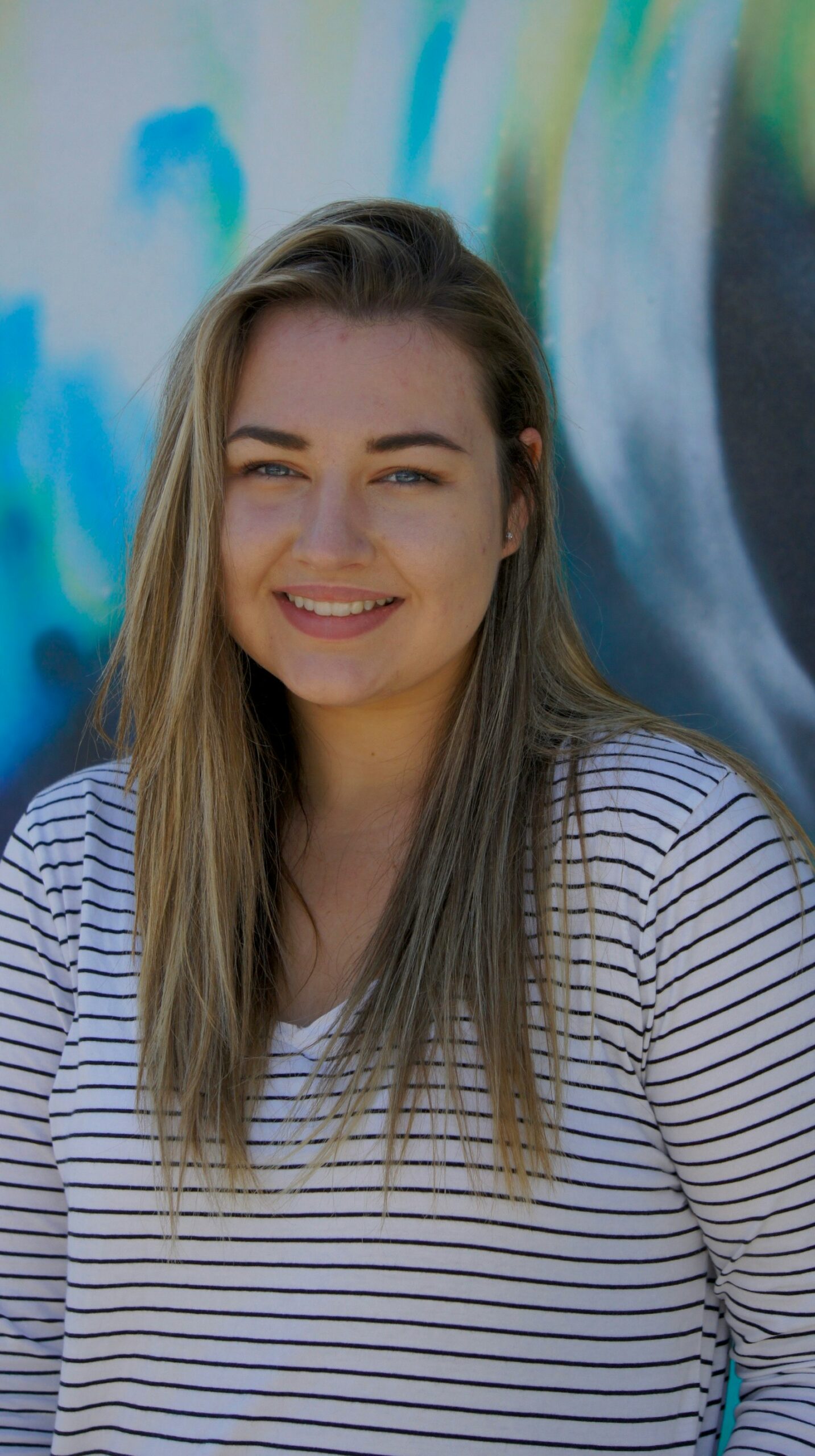
Inês started her first studio at twenty-three and closed it at twenty-seven on principle, which tells you most of what you need to know. She leads identity and art direction at Ember Edge and has shipped brand systems for Parada, Oxbow Studios, and four of the last six Web Summit keynote decks nobody remembers hiring.
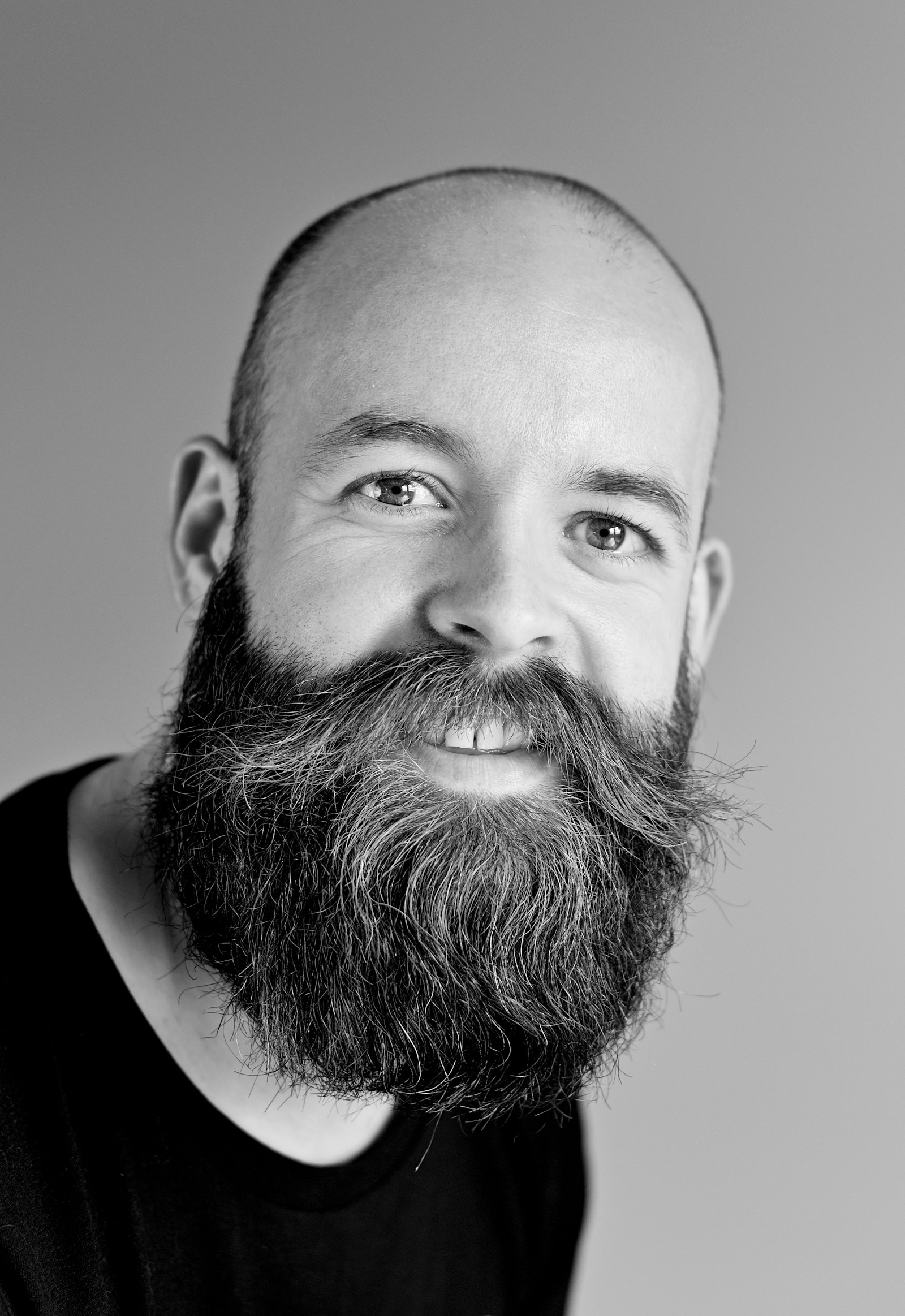
Tomás spent eight years inside consultancy before deciding that an extra slide rarely fixes the problem. He runs strategy, messaging, and the conversations nobody else wants to have. Previous homes include BCG Brightwing, a failed Substack about opera, and a regional branding prize he still keeps in his top drawer.
Nadia came up as a frontend engineer at a record label that shipped more websites than records. She leads build, performance, and the part of the process where designers and engineers start shouting at each other. Previously at Pitchfork, briefly at Spotify, permanently at war with any motion longer than 400 milliseconds.
We stay small on purpose. Everyone you see below is senior in their craft and on at least one of your calls.
A shortlist of the work, the risks, and the very bad meetings that took us from a borrowed kitchen to a sixteen-person studio.
Inês and Tomás incorporate Ember Edge out of a flat in Lisbon, with one anchor client (a neighbourhood coffee roaster) who agreed to pay in two-week sprints.
Team of four. First international client in Amsterdam. First invoice we ever issued in euros, pounds, and tears simultaneously.
Engineering and production move in-house. The studio starts shipping full identity and website launches in eight weeks flat, and stops subcontracting to anyone we would not hire full-time.
The Parada transport-app rebrand wins a D&AD wood pencil and triples our inbound. We say no to eighty percent of it on principle, then work from home for eighteen months.
We spin up a small in-house lab for experimental brand motion and WebGL work. First three projects all ship as open-source components on the studio site.
The team lands at sixteen, the award shelf at forty-seven, and the ambition for the next decade at exactly one: keep making work that stays distinct a year after it ships.
Tell us the shape of it. We will come back inside two business days with a point of view and a next step — not a pitch deck.